




Introduction
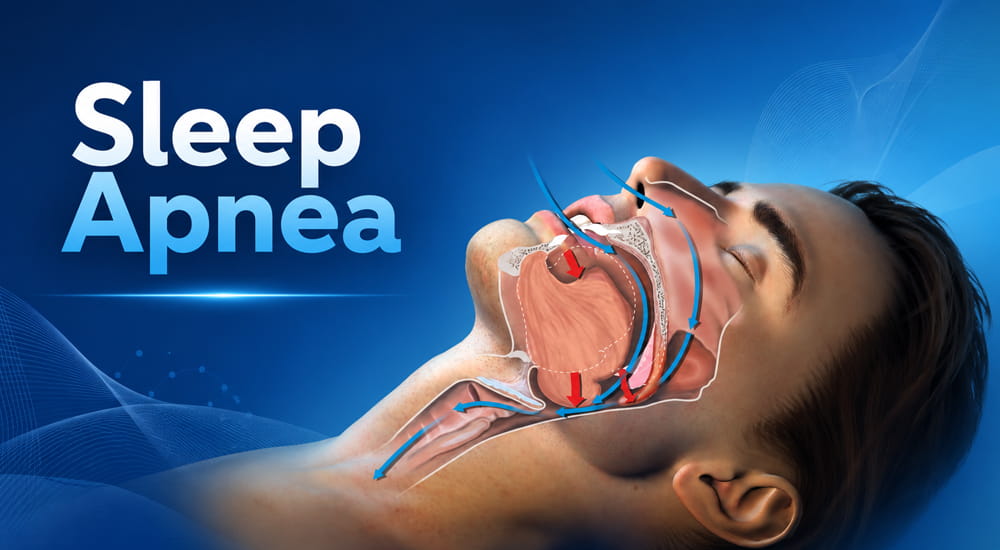
Sleep apnea is a health condition that is known for affecting the breathing of an individual. It causes the lack of oxygen, which activates your survival reflex, and you wake up. This is a serious sleep disorder that needs proper medical care. It may happen for two reasons - either there is a blockage in the airway that is hampering the breathing process, or the brain fails to control breathing as smoothly as expected.
What are the symptoms of sleep apnea?
Some of the most common symptoms of sleep apnea include
Some other symptoms that may occur include
What are the risk factors of sleep apnea?
The risk of sleep apnea keeps increasing with age. However, people of any age may face this health condition. Some of the major risk factors of sleep apnea include
What are the complications that come with sleep apnea?
Sleep apnea is a serious health condition, which may lead to some life-threatening conditions. Some of those conditions include
The bottom line
Any type of airflow obstruction in the upper airway can cause sleep apnea. Apart from that, it may also occur if there is any problem with how the brain is regulating breathing during sleep. Fortunately, this issue can now be diagnosed accurately. Knowingly, polysomnogram and home sleep apnea testing are two common tests that are suggested to diagnose sleep apnea. You may consider consulting a pathology lab to check the availability of these tests.



 Cart
Cart